We are taking a group of WOMEN only to Kokoda to undertake the 96km
trek in PNG, which is where many Australian and Japanese soldiers
fought during the second world war. You might want to do a search
and inform yourself further as to what it represented to us as a
country, at the time and what it meant post war. This will be
filmed. At this stage this will be undertaken some time in 2008.
This trek is about the journey. It is about what it takes to get
there, the preparation and the interaction and relationships formed
during this journey and between this group of women.
The agenda is to
film the interaction between a group of individuals (women) who have
the same starting point but are very different people and to watch
them experience the physical demands as well as the roller coaster
of emotions that happen when people are placed together in an
unfamiliar and challenging environment. The backgrounds of
participants including age, education, marital status, ethnicity,
life experience and fitness levels will be diverse.
This documentary is an independent production about ordinary women
who are not celebrities or professional athletes doing something
extraordinary, coming out of their comfort zone and allowing the
outside world into their physical and emotional space.
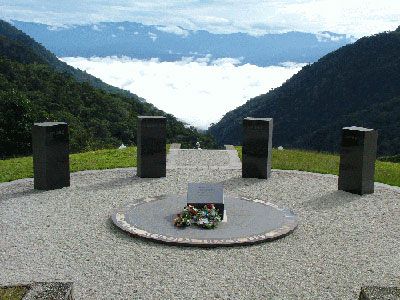
The diggers who were at Kokoda were ordinary young men thrown into
an extraordinary event that was WWII and showed courage, mateship,
endurance and sacrifice. Those four characteristics are marked on
pillars at the Kokoda memorial at Isurava PNG and they symbolise
the eternal spirit of each of these men. The historical component
of our documentary is of immense importance and we have been
interviewing as many of the surviving diggers as we can to capture
their memories and experiences in the short time we have left.
Peter FitzSimons is contributing his vast knowledge, as is well
known author and Kokoda historian Patrick Lindsay. Ross Wilkinson
from 2/14th Battalion Association is our official Researcher.
Some of the several thousand women who applied are cancer
survivors or had tragedy in their lives, some had a grandfather or
father who fought on Kokoda, some wanted a personal challenge and
to experience in some small way what the soldiers went through as
a pilgrimage to the past and each reason is valid. Those who have
been chosen are aware of the significance of this journey. More
bombs were dropped on Darwin than were at Pearl Harbour. Broome
was bombed as was Sydney Harbour. The documentary is not so much
about war but about the sacrifices that were made by young men for
us to live the life we do today.